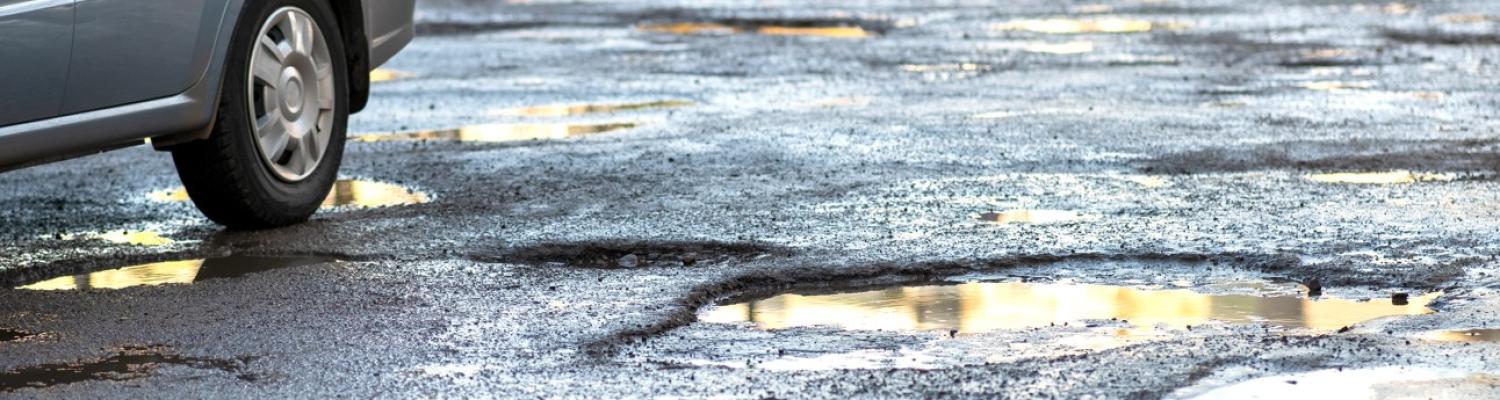
Relentless winter rains set to fuel alloy claims as potholes worsen
Premium German brands face highest risk, new analysis from MotorEasy shows
Posted on Mar 09, 2026
Persistent winter rainfall and deteriorating road surfaces are driving a sharp rise in alloy wheel damage, according to new analysis from Intelligent Motoring, the team behind vehicle ownership platform MotorEasy.
Analysis of five years of alloy wheel claims data shows the average claim value has risen by 18%, with a further 10% increase recorded in 2025 compared with the previous year. Claims consistently peak in March, suggesting the cumulative impact of winter weather and weakened road surfaces is hitting motorists as spring approaches.
Vehicles fitted with larger, more intricate alloy wheels, particularly premium German models and electric vehicles, are disproportionately affected. In 2025, BMW, Mercedes and Audi were the brands most frequently associated with alloy wheel claims. While German marques top the list overall, the single model generating the highest number of alloy claims last year was the Tesla Model S.
Intelligent Motoring says modern design trends are contributing to the issue. Larger diameter wheels, low-profile tyres and diamond-cut or aero-style alloys may enhance aesthetics and efficiency, but they are also more susceptible to damage from poorly maintained roads, and significantly more expensive to repair when problems occur.
Duncan McClure Fisher, CEO of Intelligent Motoring, said, “While we wait for the £7.3 billion in road repair funding announced in last Autumn’s Budget to filter through, motorists are continuing to shoulder the cost of deteriorating road conditions. Persistent wet weather seeps into already weakened surfaces, and temporary pothole repairs often don’t withstand repeated rainfall and traffic.
“Many EVs and premium vehicles are fitted with larger wheels and lower-profile tyres, which provide less cushioning against potholes. That combination of heavier vehicles, bigger wheels and poorer road surfaces is driving up both the frequency and cost of damage. This is not good news for people approaching the end of a lease contract, where financial penalties can apply for damage.“Drivers can reduce their risk by moderating speed on damaged roads, maintaining correct tyre pressures and remaining alert to surface hazards, particularly after heavy rain. As repair costs continue to climb, understanding the risks and taking preventative steps has never been more important.”

The data is backed by a new driver survey conducted by Select Car Leasing, an industry partner of Intelligent Motoring. The Great British Pothole Poll of 1,000 drivers revealed that more than half (58%) believe the general state of roads is worse now than it was 12 months ago, despite increases in road funding. Indeed, 32% suffered pothole-related damage to their cars in the past 12 months.
Whilst 70% said they’d never officially reported a pothole to the local council or authority, 80% of respondents complained that local authorities weren’t fixing potholes quickly enough. A majority of 70% said pothole repairs were failing and breaking apart within days or weeks of being fixed.
Mark Tongue, CEO and Co-Founder at Select Car Leasing, said: “With so many motorists complaining that potholes aren’t fixed, or they're repaired in a shoddy fashion, it’s perhaps not surprising that drivers have a sense of weariness about reporting them. They might have also read about the relatively low numbers of drivers being awarded pothole compensation from local councils, with only around a quarter of claims actually resulting in a payout.”
Recent Articles:
-

Demand for AFV Extended Warranties rises
Posted on Jul 27, 2023
Analysis of extended warranty quotes-to-buy requests through Intelligent Motoring has revealed a pattern of significant growth for electric and hybrid vehicles.
Read more -
MotorEasy issues urgent call
Posted on Jun 29, 2023
Proposed Government MOT reform puts road users at risk.
Read more -
Intelligent Motoring teams up with SYNETIQ
Posted on Jun 14, 2023
Proposed Government MOT reform puts road users at risk.
Read more -
Consumer support for ecological car ownership on the rise
Posted on Mar 28, 2023
Eight in ten motorists would choose ‘green’ car parts if offered by their service, maintenance or repair provider.
Read more -

MotorEasy sponsors UK's Rarest Cars
Posted on Aug 29, 2023
Silverstone Festival features three days of on and off-track action, including a special display of the UK's rarest cars, showcasing nostalgic memories and stories from the past.
Read more